
It’s the first question everyone asks when they’re thinking about going electric, and the answer they usually get is “it depends”, followed by a wall of numbers that makes their eyes glaze over. So let’s skip the hedging and get to the point.
If you charge at home on a standard electricity tariff, running an electric car costs roughly 5 to 8p per mile. If you’re on a specialist EV tariff and charge overnight, that drops to around 2p per mile. For context, a petrol car typically costs 14 to 19p per mile at current fuel prices. So yes, an EV is cheaper to run. Significantly cheaper, in most cases.
But the detail matters, because where you charge and how you charge can mean the difference between spending £300 a year and £1,500 a year on electricity. Here’s how it all breaks down.
Charging at home: the cheapest option by far
Most EV owners do the majority of their charging at home, overnight, while they sleep. It’s the cheapest and most convenient way to keep your car topped up.
The Ofgem energy price cap for Q2 2026 sets the standard electricity rate at around 24.5p per kWh. On that tariff, charging a typical 60kWh EV from empty to full costs roughly £15. That gives you somewhere between 180 and 250 miles of range depending on the car, the weather, and how heavy your right foot is.
But here’s where it gets interesting. If you switch to an EV-specific energy tariff, like Octopus Intelligent Go, OVO Charge Anytime, or British Gas Electric Driver, you can charge overnight for as little as 7p per kWh. That same 60kWh battery now costs about £4.20 to fill. For a car that does 200 miles on a full charge, that works out at roughly 2p per mile.
To put that in real terms: if you drive 8,000 miles a year (the UK average), you’d spend around £160 a year on electricity with an EV tariff. The same mileage in a petrol car doing 40mpg would cost you about £1,200 at current fuel prices. That’s over a thousand pounds saved, just on fuel.
What about a home charger?
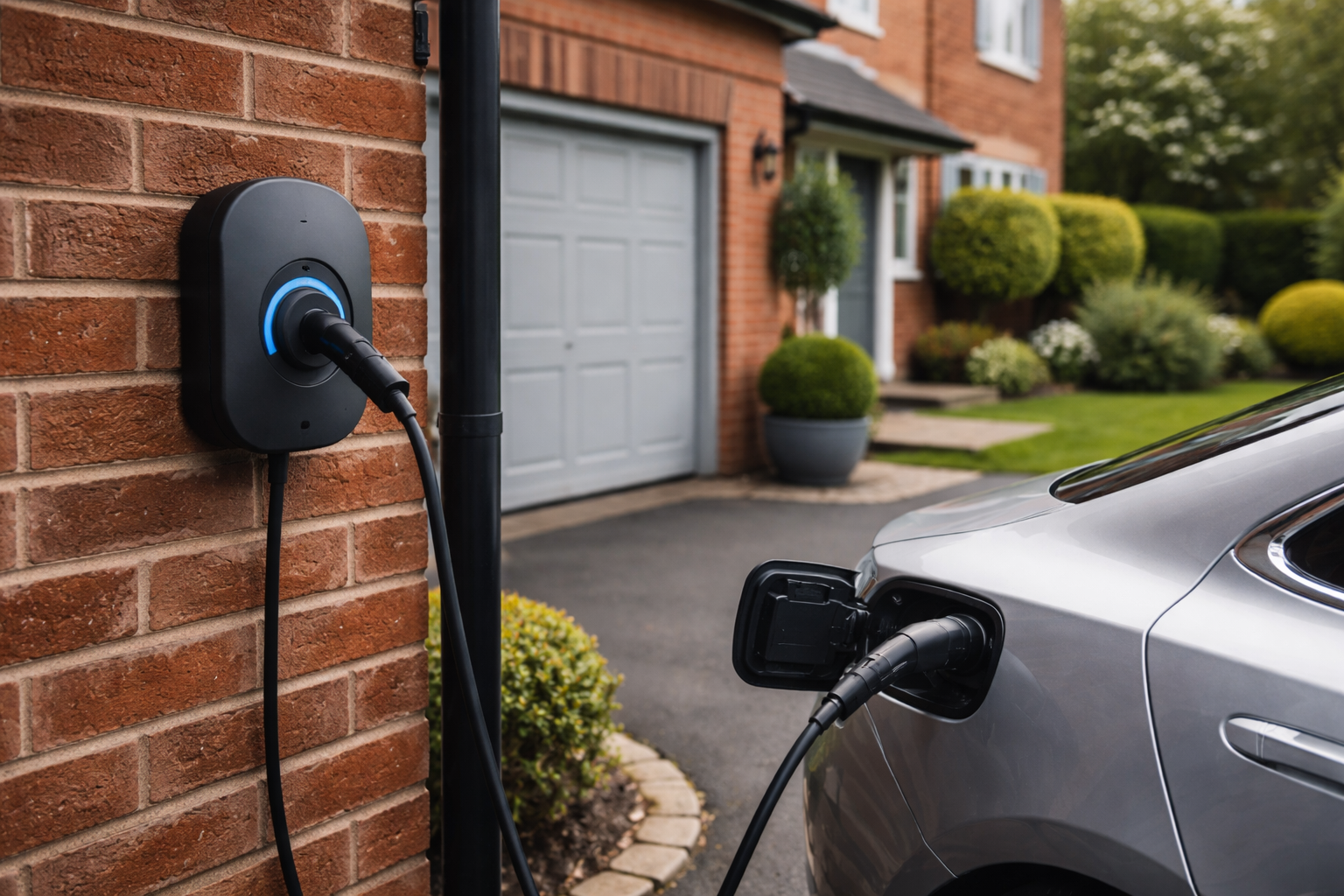
You can charge an EV from a standard three-pin plug, but it’s slow (about 8 miles of range per hour) and not ideal for regular use. A dedicated 7kW home wallbox is the better option. It’ll fully charge most EVs overnight in 6 to 10 hours.
Installation typically costs £800 to £1,200. From April 2026, the government’s enhanced charger grant covers up to £500 for renters, flat owners, and some homeowners, which brings the cost down to a more manageable £300 to £700. At the rate you’ll save on fuel, most people recoup that within the first year.
Public charging: where things get pricier
If you can’t charge at home, or you’re on a longer journey, you’ll need public chargers. This is where costs vary wildly.
Slower public chargers (the ones you find in supermarket car parks, shopping centres, and on-street) typically cost 45 to 55p per kWh. That works out at roughly 15 to 16p per mile. Still cheaper than petrol, but noticeably more than home charging.
Rapid and ultra-rapid chargers, the kind you find at motorway services, are the most expensive. Expect to pay 70 to 85p per kWh, depending on the network. That’s about 20 to 25p per mile, which starts to feel closer to petrol territory.
Some specific examples as of early 2026: Gridserve charges around 45p per kWh for slower chargers. Tesla Superchargers cost around 50 to 60p per kWh for non-Tesla vehicles. Ionity charges 74p per kWh pay-as-you-go. InstaVolt sits at about 85p per kWh for rapid charging.
The trick is to use rapid chargers only when you need to, typically on long motorway journeys, and do the bulk of your charging at home or at slower public chargers where costs are lower.
The free charging bonus
It’s worth mentioning that free public charging does still exist. Some supermarkets (Lidl, Tesco, and some Sainsbury’s locations) offer free charging while you shop. Workplace chargers are sometimes free. And some councils provide free or low-cost on-street charging in residential areas. It’s inconsistent, but if there’s a free charger on your regular route, it’s worth building into your routine.
So what will you actually spend per month?
Here’s a realistic monthly breakdown for a driver doing about 650 miles a month (roughly 8,000 miles a year) in a typical mid-range EV:
If you charge entirely at home on an EV tariff: around £13 per month. On a standard home tariff: around £35 per month. If you rely mostly on public chargers: around £70 to £100 per month. A mix of home and occasional public charging (which is what most people do): around £20 to £40 per month.
Compare that to the same mileage in a petrol car: roughly £100 per month at current prices.
One more thing to factor in
From April 2028, the government plans to introduce a pay-per-mile road tax for EVs at 3p per mile. For an 8,000 mile per year driver, that adds about £240 annually on top of the standard £195 road tax. It’s worth knowing about, but even with this additional cost, running an EV remains significantly cheaper than running a petrol car for most drivers.
The bottom line: if you can charge at home, especially on an EV tariff, an electric car will cost you a fraction of what you’re currently spending on fuel. If you can’t charge at home and rely entirely on public rapid chargers, the savings shrink but don’t disappear. Either way, the numbers favour electric for the vast majority of UK drivers.