
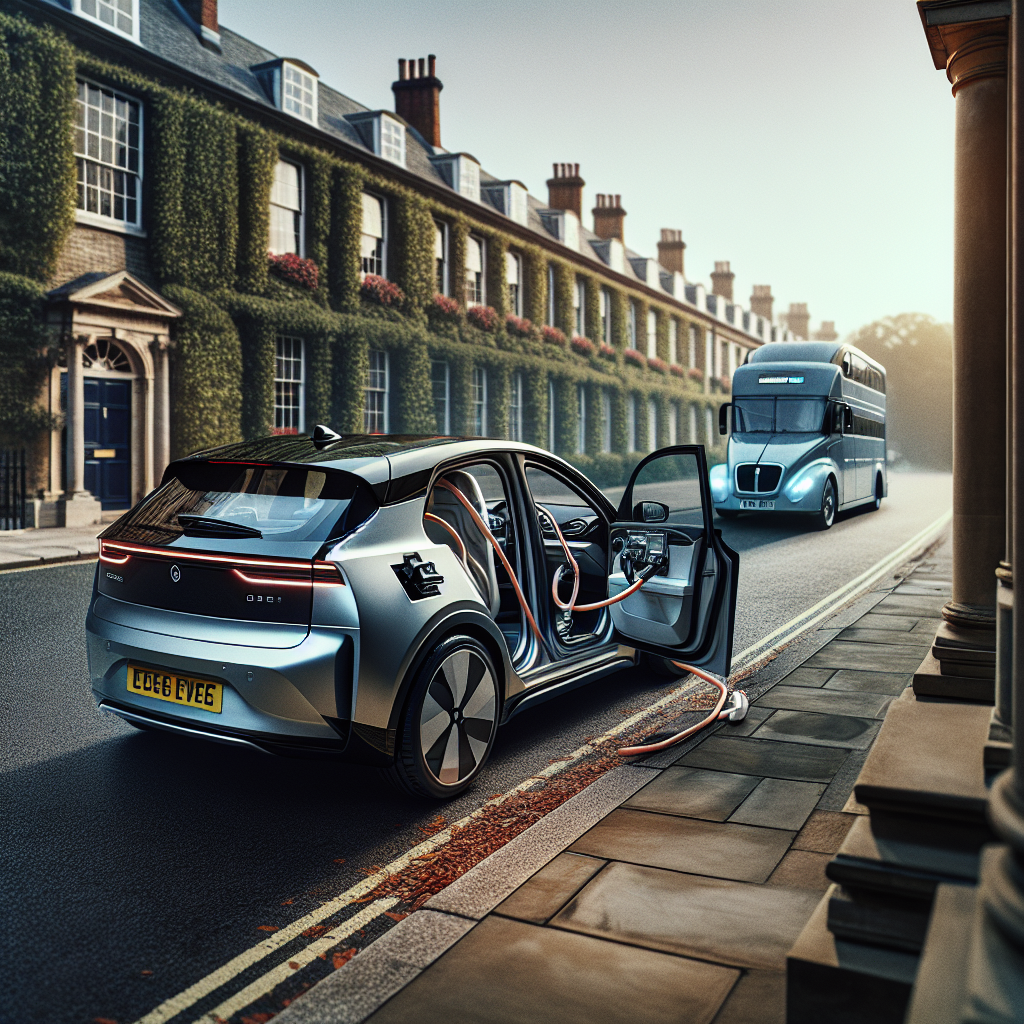
If you’re a company car driver, you’ve probably heard the whispers: get an electric car now before the tax rates go up in April 2026. But is this deadline panic justified, or are EVs still going to be the smart choice even with higher benefit-in-kind (BIK) rates?
Let me walk you through the actual numbers, because when I last looked at this for my own lease renewal, the reality was more nuanced than the headlines suggested.
What’s Actually Changing in 2026
Right now, electric vehicles sit in a remarkably sweet spot for company car tax. The BIK rate for a pure EV is just 2% of the car’s P11D value (that’s the list price including VAT and delivery). In April 2025, this rises to 3%, then 4% in April 2026, and 5% in April 2027.
For context, a petrol or diesel company car typically attracts BIK rates between 20% and 37%, depending on CO2 emissions. Even at 5%, electric cars will still be in a completely different league.
What This Means in Real Money
Let’s use some real examples. I’ll assume you’re a 40% taxpayer, which catches most people who get company cars as part of their package.
Example 1: MG4 Trophy (£31,995 P11D)
If you lease now at 2% BIK, you’ll pay £256 per year in tax, or about £21 per month. Wait until April 2026 when the rate hits 4%, and you’re looking at £512 annually, or roughly £43 per month. That’s an extra £22 a month, or about the cost of a tank of petrol you’re no longer buying.
Example 2: Tesla Model 3 Long Range (£49,990 P11D)
At today’s 2% rate, you’d pay £400 per year (£33 monthly). At the 2026 rate of 4%, that becomes £800 annually (£67 monthly). The difference? An extra £33 per month.
Example 3: BMW i4 eDrive40 (£56,750 P11D)
Current 2% rate: £454 per year (£38 monthly). At 4% in 2026: £908 per year (£76 monthly). That’s an additional £38 each month.
For higher-rate taxpayers, these are still extraordinarily low figures. When I was driving a diesel Passat years ago, I was paying over £300 a month in BIK. Even the BMW i4 at the 2026 rate costs less than a quarter of that.
The Trap of Leasing Now Just to Beat the Deadline
Here’s where I’d urge caution. Most company car leases run for three or four years. If you sign up now purely to lock in the 2% rate, you’ll benefit from that lower rate for perhaps 18 months before it steps up anyway. You might save £400 to £700 over that period, which sounds decent.
But what if a car you’d prefer becomes available in six months? Or what if your circumstances change? I’ve seen colleagues rush into an EV they weren’t entirely happy with, only to spend three years slightly regretting it, all to save what worked out to be about £15 a month.
In my experience, it makes more sense to choose the right car at the right time rather than a nearly-right car at a deadline-driven time.
EVs Will Still Be the Cheapest Option
Even at 5% BIK in 2027, electric cars will remain vastly cheaper than petrol or diesel alternatives for company car drivers. A petrol BMW 3 Series with typical emissions might attract a 30% BIK rate. On a £45,000 car for a 40% taxpayer, that’s £5,400 per year, or £450 per month.
Compare that to the Tesla Model 3 at 5% BIK in 2027: £1,000 per year, or £83 monthly. The electric car is still over £4,000 cheaper annually, even at the higher rate.
What About Basic Rate Taxpayers?
If you’re a 20% taxpayer, the numbers are exactly half what I’ve shown above. The MG4, for instance, goes from about £11 monthly now to roughly £21 monthly in 2026. We’re talking about the cost of a couple of takeaway coffees.
So Should You Rush?
Honestly? Only if you were planning to get an EV anyway and there’s a car available now that genuinely suits you. The savings from beating the deadline are real but modest, typically £20 to £40 per month for most drivers, and only for the period before the rates rise.
If you’re currently in a petrol or diesel company car, switching to electric makes overwhelming financial sense whether you do it now or in 2026. The difference between those two timings is marginal compared to the difference between staying in a combustion car and making the switch.
When my Enyaq lease comes up for renewal next year, I’ll be well into the higher BIK rates. Will I switch back to petrol? Not a chance. Even at 4% or 5%, the tax advantage is enormous, and that’s before you factor in never visiting petrol stations and having a full battery every morning.
The best time to switch to an electric company car was probably three years ago. The second best time is whenever you can get the right car for your needs, regardless of whether that’s before or after April 2026.