
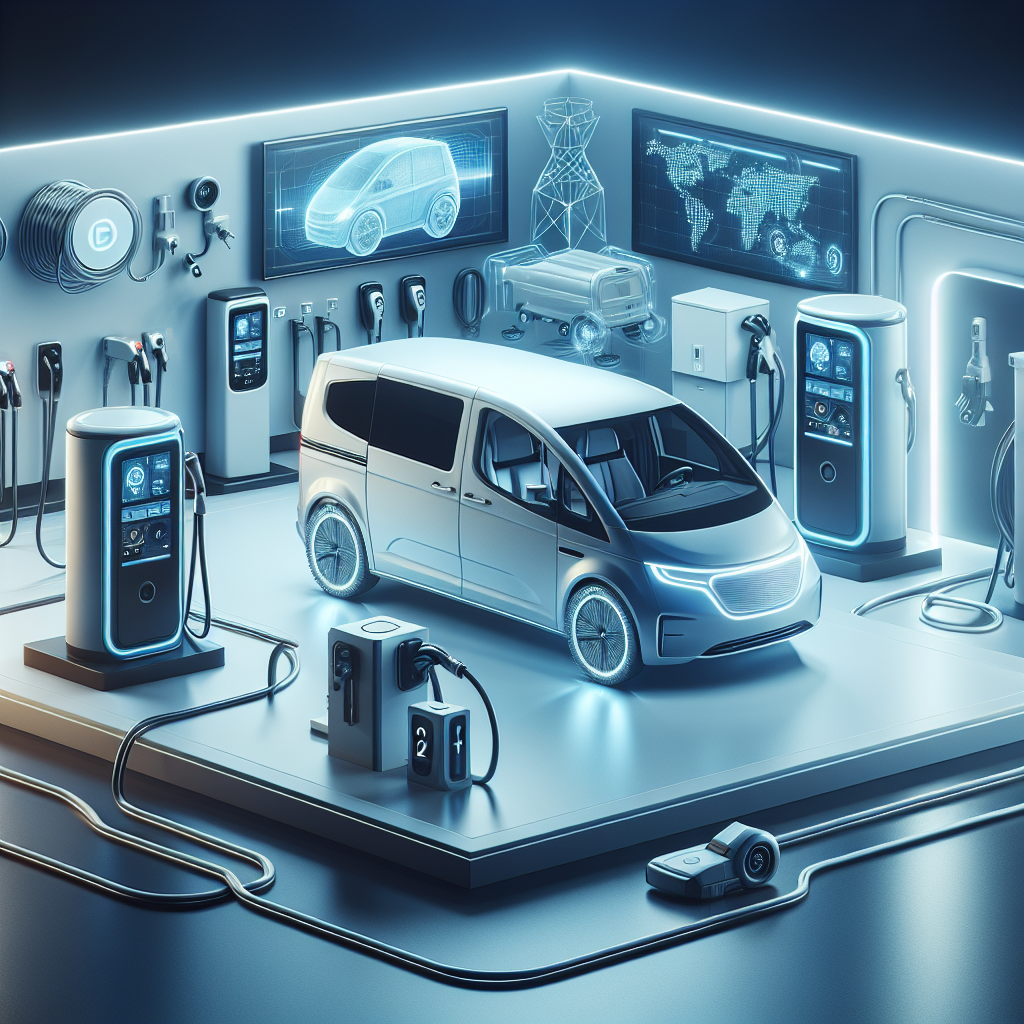
Plug and Charge is one of those EV features that sounds brilliant on paper: you rock up to a compatible charger, plug in, and it just starts charging. No app to open, no RFID card to wave, no contactless payment to fumble with in the rain. The car and charger talk to each other, sort out authentication and billing, and off you go.
The reality in the UK? It’s genuinely useful when it works, but coverage is patchy and you’ll still need backup payment methods. Here’s what actually works in 2026, which cars support it, and whether it’s worth getting excited about.
How Plug and Charge Actually Works
Plug and Charge uses a standard called ISO 15118, which allows your car and the charger to exchange encrypted information through the charging cable itself. Think of it like contactless payment, but instead of tapping your card, your car’s VIN and payment details are already registered with the charging network.
When you plug in, the charger recognises your specific vehicle, checks you’re authorised, and starts the session. The charge gets billed to whichever payment method you set up when you registered the car with that network. It typically adds about 3 to 5 seconds to the connection process compared to a standard plug-in, which is hardly noticeable.
Which Cars Support Plug and Charge in the UK
This is where it gets a bit frustrating. Even in 2026, it’s mostly premium and newer models that have it:
Ford: The Mustang Mach-E, F-150 Lightning, and Explorer all support it. Ford calls it FordPass Charging and it’s one of the more reliable implementations I’ve tested.
Volkswagen Group: The ID.4, ID.5, ID.7, and ID.Buzz have it, along with the Audi Q4 e-tron, Q6 e-tron, Cupra Born, and Skoda Enyaq. Coverage across the VW Group is decent, though you need to activate it through the car’s infotainment system and the myVolkswagen app (or equivalent brand app).
Hyundai and Kia: The Ioniq 5, Ioniq 6, EV6, and EV9 all support it. It’s buried in the settings as ‘Plug & Charge’ and you’ll need to enable it for each network separately.
Mercedes and BMW: Most of their recent EVs have it, including the EQE, EQS, iX, and i4. It’s rolled into their respective charging services.
Genesis: The GV60, GV70, and Electrified G80 support it.
Tesla: Here’s the thing. Tesla has had a version of this for years at their own Superchargers, but it’s a proprietary system. With the CCS rollout at newer Supercharger sites and opening to other brands, they’re gradually implementing proper ISO 15118 Plug and Charge, but it’s network-dependent.
Notably absent: most cars from Nissan, Renault, Peugeot, Citroën, Vauxhall, and MG still don’t have it as of early 2026, though there are rumblings about software updates for some newer models.
Which UK Charging Networks Support It
This is the bigger limitation. Your car might support Plug and Charge, but that’s useless if the chargers don’t. Here’s the current state:
Ionity: The most reliable for Plug and Charge in my testing. It works with most compatible vehicles, though you’ll need to register your car through their app first.
bp pulse: Supports it on their newer 150kW and 300kW chargers. The rollout has been gradual, and I’ve found it works about 80% of the time when both car and charger theoretically support it.
Gridserve: Available at most of their Electric Forecourt locations and newer installations. Generally reliable.
Tesla Superchargers: Works seamlessly with Teslas using their system. For non-Tesla EVs using CCS at opened Supercharger sites, proper Plug and Charge support is still rolling out.
Shell Recharge: Available on newer high-power chargers, though coverage is limited.
Notably, Pod Point, InstaVolt, Osprey, and Fastned don’t widely support it yet, or only on select newer units. This is a problem because it means you’ll constantly be switching between Plug and Charge and app-based payment depending on which network you’re using.
Setting It Up: The Faff Factor
Here’s the first gotcha: even if your car supports Plug and Charge, you need to register it with each charging network separately. With Ford, for instance, you’ll set up FordPass Charging through their app. For VW Group cars, you’ll use We Charge (or the Audi/Cupra/Skoda equivalents). For Ionity specifically, you might need to register through their app as well, depending on your manufacturer.
It’s not difficult, but it’s also not the seamless “just works” experience you might expect. You’ll typically need to enter your car’s VIN, set up payment details, and wait for activation, which can take anywhere from a few minutes to 24 hours.
Real-World Reliability
I’ve been testing Plug and Charge across different networks with a VW ID.5 and a Hyundai Ioniq 5, and here’s the honest truth: it works about 75 to 80% of the time when both car and charger supposedly support it.
When it fails, you’re back to using the app or contactless anyway, so it’s not like you’re stranded. The failures are usually silent, the charger just doesn’t recognise the car and nothing happens. You wait 10 seconds, realise it’s not working, and reach for your phone.
The times when it does work? It’s genuinely lovely. You plug in, hear the clunk of the lock, see the charging light come on, and you’re done. In winter, not having to take your gloves off to tap through an app is a small but real quality of life improvement.
Is It Actually Better Than Apps?
Yes, when it works. But it’s not transformative enough to be a deciding factor when choosing an EV. I’d still recommend having Zapmap and a couple of network apps installed as backup.
The aggregator apps like Bonnet and Octopus Electroverse are often just as convenient, they let you access multiple networks through one app and one payment method, which is arguably more useful than Plug and Charge that only works on select networks.
Where Plug and Charge shines is on regular routes. If you frequently use the same Ionity or bp pulse chargers, having them just work without any phone interaction is genuinely nicer. For unfamiliar locations or networks you rarely use, it’s often quicker to just tap your phone.
My advice: if your car has it, set it up for the networks you’ll use most (Ionity if you do motorway trips, bp pulse if they’re near you). But don’t rely on it exclusively, and don’t buy a car specifically because it has Plug and Charge. By all means enjoy it when it works, but keep your charging apps handy for when it doesn’t.