
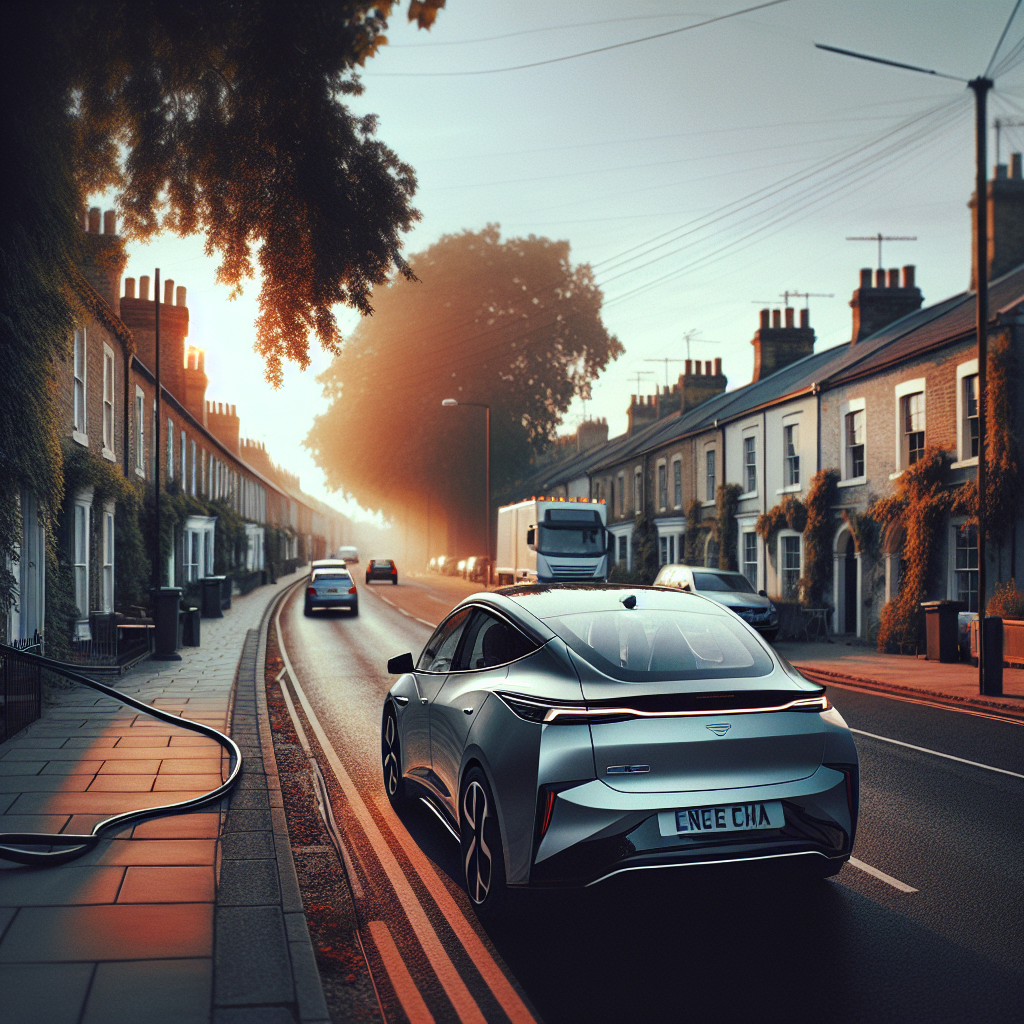
My Enyaq’s manufacturer warranty expires in six months, and I’ll be honest, I’ve been losing sleep over it. Not because I think the car’s about to fall apart, but because I genuinely didn’t know what I’d be facing. So I did what any writer with a deadline would do: I found a dozen EV owners whose warranties had already expired and asked them what actually happened.
The answers were reassuring, occasionally expensive, and nothing like the horror stories you’ll read in certain corners of the internet.
Understanding What You’re Actually Losing
Here’s the first thing that caught owners out: your EV has two separate warranties, and they expire at different times. The manufacturer warranty typically covers three years or 60,000 miles (though some brands like Kia and Hyundai offer seven years). This covers everything from the infotainment system to the suspension to the door handles.
The battery warranty is different. Most manufacturers offer eight years or 100,000 miles, whichever comes first. This doesn’t mean your battery is covered if it simply degrades over time. It only kicks in if the battery capacity drops below a certain threshold, typically 70% of its original capacity. In my experience talking to owners, actually hitting this threshold is exceptionally rare.
Sarah from Birmingham bought a 2019 Nissan Leaf in 2022, and her manufacturer warranty expired last March. “I panicked about the battery, but then I actually read the paperwork,” she told me. “I’ve still got three years of battery coverage left. The stuff I’m not covered for is all the normal car bits.”
What Actually Goes Wrong After Three to Five Years
I spoke to owners of Teslas, Leafs, Zoes, Konas, and ID.3s who’ve been driving out of warranty for between six months and two years. The pattern was remarkably consistent: EVs have fewer things that can go wrong, but when something does break, it’s often electronic rather than mechanical.
The most common issues reported were 12V battery failures (the small battery that powers the car’s electronics, not the main traction battery), air conditioning problems, and software glitches requiring dealer visits. One Tesla Model 3 owner paid £180 to replace his 12V battery at an independent garage. A Kona owner spent £420 on an air conditioning compressor repair at a Hyundai dealer.
James, who’s been driving a 2019 Model 3 out of warranty for 18 months, put it well: “I’ve spent about £300 on repairs that wouldn’t have been covered anyway, like tyres and wipers. The only warranty claim I’d have made was the 12V battery, and that was cheaper than a single major service on my old diesel.”
Nobody I spoke to had experienced a motor failure, battery failure, or inverter problem. These are the big-ticket items that keep people awake at night, but they’re also exceptionally rare outside manufacturing defects, which would show up within the warranty period.
Tesla Versus Traditional Manufacturers
There’s a genuine difference in how this plays out depending on who made your car. Traditional manufacturers like Volkswagen, Hyundai, and Renault have established dealer networks and standardised labour rates. You can also increasingly use independent garages for non-specialist work, and they’ll typically charge £60 to £90 per hour rather than the £120+ dealer rate.
Tesla is more complicated. They control the parts supply and the repair network more tightly. Several Model 3 and Model Y owners told me they’d found independent specialists who could handle routine work, but anything involving the car’s computers still meant a trip to Tesla. On the flip side, Tesla’s warranty is four years or 50,000 miles as standard, and their battery warranty is eight years with no mileage limit, which is more generous than most.
“I can’t just rock up to any garage with my Tesla,” explained Mike from Manchester. “But honestly, I’ve needed a garage twice in two years out of warranty. It’s not the constant drain I was expecting.”
Are Extended Warranties Worth It?
Most manufacturers offer extended warranties, typically costing between £300 and £600 per year depending on the car’s value and age. Third-party warranty companies offer EV cover too, though you’ll want to read the exclusions carefully. Many don’t cover battery degradation at all, and some exclude the electric motor or inverter unless you pay substantially more.
Whether it’s worth it depends on your risk tolerance and savings buffer. If a £1,000 repair bill would genuinely cause you financial hardship, the peace of mind might be worth the annual cost. But based on the experiences I’ve heard, you’re unlikely to claim more than you pay in unless you’re particularly unlucky.
Two owners I spoke to had extended warranties. One had claimed once for a faulty charging port (£380 repair, £100 excess). The other hadn’t claimed at all in 18 months and said she wouldn’t renew.
Building Your Own Safety Net
Here’s what I’m doing as my warranty expiration approaches, based on what these owners wished they’d known: I’m putting £50 a month into a separate savings account earmarked for car repairs. Over a year, that’s £600. Over two years, it’s £1,200, which would cover most realistic repair scenarios without paying insurance company margins.
I’m also joining an EV owners’ forum for my specific model. When something does go wrong, knowing which independent garages can handle the work and what a fair price looks like is invaluable. Several owners told me they’d saved hundreds by asking forum members before booking into a dealer.
Finally, I’m keeping up with software updates and charging best practices. Most battery degradation concerns come from consistently charging to 100% or leaving the car at very low charge for long periods. These are free preventative measures that protect the one component that’s genuinely expensive to replace.
The overwhelming message from owners on the other side of warranty expiration? It’s not the financial cliff edge they’d feared. Put aside some money, find a trusted garage, and remember that you’re still driving something with a fraction of the moving parts of a petrol car.